How Crypto Exchanges Work: A Beginner Guide

Crypto exchanges work just like online market stalls where people trade digital coins for cash. You deposit your dollars, pick a coin, and the exchange pairs you with someone who wants to sell. It feels like buying shoes on Amazon, but you are trading digital money instead.
At their core, these sites are middle managers. They hold your money safely in a digital account, show you prices that change every second, and take a small fee when a deal goes through. Without them, finding someone to trade cash for coins would take days of messaging strangers online.
What Is a Crypto Exchange?
A crypto exchange is a website or phone app that connects buyers and sellers. Think of it like eBay, but for coins like Bitcoin and Ethereum. You sign up, send some cash from your bank, and select what you want to buy.
Years ago, buying digital cash meant meeting a stranger in a coffee shop. You would hand over paper bills and hope they sent the code to your computer. Today, companies make this fast and simple. They keep track of thousands of trades every single second.
These platforms fall into two main types. Most beginners start with central exchanges run by big companies. Other people use free peer to peer networks that run entirely on software code. Knowing the difference keeps your money safer from the start.
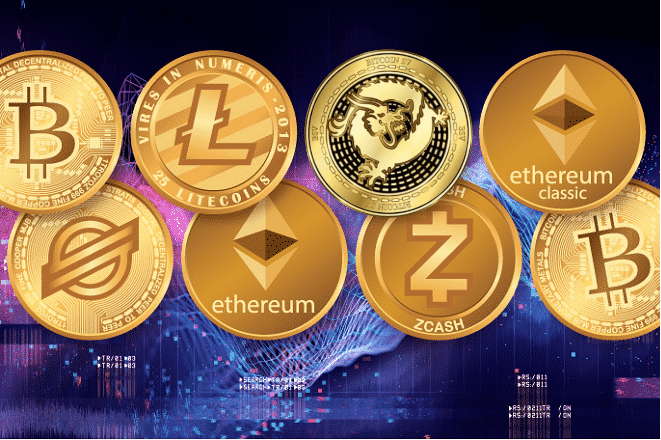
The Order Book: How Buyers Meet Sellers
Inside every major exchange sits a big running list called an order book. This list acts like a digital scale that balances buyers and sellers. One side shows people who want to pay less. The other side shows people who want to charge more.
Imagine you want to buy one coin for $100. You put your request into the system. Across the world, Sarah wants to sell her coin for $100. The exchange software matches your cash with Sarah's coin instantly. Both of you get what you wanted in a split second.
When millions of people buy at once, the lowest selling price jumps fast. That is why prices move around so much. If you want to learn more about the tech behind these trades, you can read about how Blockchain networks store records across thousands of computers.
Centralized vs Decentralized: Two Main Paths
Centralized exchanges work like traditional banks. A company runs the website, resets your password if you forget it, and stores your coins for you. Coinbase and Binance are popular examples of this type. They check your photo ID before you buy anything to stop bad guys from using their system.
Decentralized platforms run without a central boss. Instead of a business, smart computer rules handle everything. You do not hand your money to a company. You connect your personal wallet directly to another person's wallet.
Each path has clear trade-offs. Centralized sites are easy to use, but the business holds your funds. Software-based sites give you total control, but if you lose your private code words, no customer service rep can help you get your cash back.
How Do Exchanges Make Money?
Exchanges are businesses, so they charge small amounts for their service. Most sites take a tiny cut every time you trade. This fee usually ranges from 0.1 percent to 0.5 percent of your total order.
Here are the common ways these platforms charge you:
- Trading fees: A small cut taken when your order matches with another person.
- Deposit and payout costs: Fees for moving paper money into or out of your bank account.
- The spread: A hidden gap between the buy price and the sell price set by the app.
If you buy $100 worth of Bitcoin, the app might only give you $98.50 in actual coins. The missing $1.50 went to pay the system fees. Always check fee pages carefully before hitting the buy button, especially on small trades.
Step by Step: Making Your First Trade
Getting started on a main trading platform takes about twenty minutes. First, you download their official app or visit their main website. You type in your email address and create a very strong password.
Next comes identity check. You snap a picture of your driver license or passport and send a quick selfie. The company checks this to comply with money laws. Once approved, you link your bank account or debit card to send your initial dollars.
Finally, you type in how much cash you want to spend and press buy. The software matches your money with a seller and places the new coins into your account balance. For a deeper look at the whole system, check out this guide on understanding digital coin trading for absolute beginners.
The Hidden Risks You Must Know
Trading sites bring convenience, but they also bring real dangers. Hackers target central exchanges constantly because these platforms hold billions of dollars in one place. If a weak site gets broken into, users can lose their life savings in seconds.
Another big issue is exchange collapse. If a platform goes out of business, your funds might get frozen inside legal court fights for years. When you leave your money on a site, you are trusting them completely. You can explore how Cryptocurrency assets carry unique risks on public online encyclopedias.
Prices also swing wildly without warning. You might put $500 into a coin on Tuesday, only to watch it fall to $300 by Thursday morning. Never spend money you need for rent, groceries, or normal bills.
Keeping Your Coins Safe
Safety starts with good habits right on your phone. Turn on two-factor check for every login. This means the site sends a special text or code app message to your phone before anyone can open your account.
If you plan to hold coins for months or years, do not store them on an exchange. Move them to a personal hardware wallet. This is a small USB device that keeps your money offline away from web hackers. You can find detailed steps in our plain article on keeping your digital wallet safe from online threats.
Remember that safety is your own job in this space. No government backstop protects your tokens like a standard bank account does. Take your time, read every screen twice, and move slow.
Which Type of Trade Should You Pick?
When you sit down to place an order, the screen presents a few choices. A market order buys your coin right away at the best price open right now. It is quick, simple, and great for new buyers who just want to get started.
A limit order lets you set your own exact price. If Bitcoin costs $60,000 today, you can tell the system to buy only if the price drops to $55,000. Your cash waits safely in your account until the market matches your target number.
Start small while learning these different buttons. Try buying five or ten dollars worth first so you can see how the app works. Making a small mistake with ten dollars feels much better than making a mistake with your whole paycheck.
Understanding how exchanges operate puts you in total control of your money. Pick a safe platform, turn on every security step, and start with small amounts you can afford to lose.


Comments
Post a Comment